Leeds FC isn’t just another football club—it’s a legacy wrapped in passion, pain, and glory. From their golden era to modern-day battles, this club has shaped English football in ways few can match.
Leeds FC: A Legacy Forged in Fire

Founded in 1919, Leeds FC emerged from the ashes of Leeds City, banned for financial misconduct during World War I. The Football League handed the franchise to a new group, and thus, Leeds United Athletic Club—now universally known as Leeds FC—was born. Their journey from humble beginnings to becoming one of England’s most iconic clubs is nothing short of legendary.
The Birth of a Football Giant
The early years were about survival and identity. Playing at Elland Road, a stadium they still call home, Leeds FC spent their first decade climbing the Football League ladder. Their promotion to the First Division in 1924 marked their arrival on the big stage. Though they were relegated soon after, the foundation was set.
- Founded: October 17, 1919
- First competitive match: August 28, 1920, vs. Port Vale
- Stadium: Elland Road (capacity: ~37,792)
Despite early struggles, the club’s resilience became a hallmark. By the 1960s, under visionary management, Leeds FC transformed from underdogs to title contenders.
Elland Road: More Than Just a Stadium
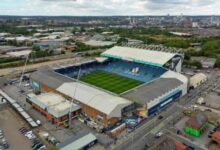
Elland Road isn’t just concrete and turf—it’s a cathedral of emotion. Located in the Beeston area of Leeds, West Yorkshire, it has witnessed triumphs, tragedies, and timeless chants echoing through its stands. The stadium has undergone multiple renovations, but its soul remains unchanged.
“Elland Road is where dreams are made and broken—sometimes in the same match.” — Former Leeds FC captain Lucas Radebe
Today, Elland Road stands as one of the most atmospheric grounds in the UK. Its South Stand, known as the “Leeds End,” is famed for its deafening support and vibrant tifos. The club continues to invest in infrastructure, aiming to modernize while preserving heritage.
Leeds FC’s Golden Era: The Don Revie Revolution
No discussion of Leeds FC is complete without mentioning Don Revie. Appointed manager in 1961, Revie didn’t just change the team—he redefined English football. His meticulous approach, emphasis on fitness, and tactical innovation turned Leeds FC into a dominant force.
Building a Championship Machine
Revie instilled a culture of discipline and unity. He developed a unique playing style—aggressive, organized, and relentless. His squad, featuring legends like Billy Bremner, Jack Charlton, and Norman Hunter, became known for their physicality and tactical intelligence.
- First Division Titles: 1968–69, 1973–74
- FA Cup: 1972
- League Cup: 1968
- Inter-Cities Fairs Cup: 1968, 1971
Under Revie, Leeds FC played in four European finals, winning two Fairs Cups. Their 1975 European Cup final loss to Bayern Munich remains a painful memory, but the achievement of reaching that stage was monumental.
The Revie Legacy and Controversy
Revie’s success came with criticism. Opponents labeled Leeds FC “dirty” due to their physical style. The media often portrayed them as villains, a reputation that stuck even after Revie’s departure in 1974 to manage England.
“We weren’t dirty—we were determined. Every tackle, every run, was for the badge.” — Billy Bremner
Revie’s exit marked the beginning of a slow decline. While he left behind a trophy-laden era, his absence created a leadership vacuum. The club struggled to maintain consistency, foreshadowing decades of turbulence.
Leeds FC’s Fall and Redemption Arc
After Revie, Leeds FC entered a period of decline. Mismanagement, financial issues, and failed signings eroded the club’s stature. By the 2000s, they went from Champions League participants to League One strugglers—a fall from grace that shocked the football world.
The Financial Collapse of the 2000s
In the late 1990s and early 2000s, Leeds FC made ambitious moves to compete in Europe. They invested heavily in players like Rio Ferdinand, Alan Smith, and Robbie Keane. While this brought short-term success—including a Champions League semifinal in 2001—the financial burden was unsustainable.
- Debt accumulated: Over £100 million
- Player sales to cover debts: Ferdinand to Man Utd (£30m), Woodgate to Newcastle, etc.
- Relegation from Premier League: 2004
The club entered administration in 2007, resulting in a 10-point deduction and relegation to League One—the first time in their history. This period is remembered as the darkest in Leeds FC’s history.
The Road Back: From League One to Premier League
Rebuilding began under new ownership and fan-led initiatives. Massimo Cellino’s controversial tenure (2014–2017) brought instability, but also investment. The turning point came with Andrea Radrizzani’s takeover in 2017 and the appointment of Marcelo Bielsa in 2018.
Bielsa, the eccentric Argentine manager, reignited the club’s spirit. His high-pressing, attacking philosophy—affectionately dubbed “Bielsa-ball”—transformed Leeds FC. In 2020, after 16 years, they returned to the Premier League by winning the Championship.
“Bielsa didn’t just bring tactics—he brought belief.” — Leeds FC fan, Elland Road chant
Their promotion was celebrated across Yorkshire and beyond, symbolizing resilience and hope. Leeds FC proved that even after the deepest fall, redemption is possible.
Leeds FC’s Iconic Players and Legends
Leeds FC’s history is adorned with players who became legends. These individuals didn’t just wear the white shirt—they embodied its spirit, passion, and pride.
Billy Bremner: The Heart of Leeds FC
Standing at just 5’4”, Billy Bremner was a giant on the pitch. As captain during the Revie era, he was the engine of the team—fearless, tenacious, and fiercely loyal. His leadership defined an era.
- Caps for Scotland: 54
- Leeds appearances: 773 (second most in club history)
- Known for: Leadership, tackling, and relentless energy
Bremner’s legacy extends beyond trophies. He represented the fighting spirit of Leeds FC—a symbol of grit and determination that fans still idolize.
Lucas Radebe: The Chief
Acquired in 1994 as part of a deal primarily for Phil Masinga, Lucas Radebe became one of Leeds FC’s most beloved figures. The South African center-back earned the nickname “The Chief” for his commanding presence and leadership.
He played 262 times for the club and captained them during turbulent times. Beyond football, Radebe became a global ambassador for Leeds, working with Nelson Mandela and UNICEF.
“When I played for Leeds, I felt like I was playing for a family.” — Lucas Radebe
Radebe’s impact transcended sport. He united fans across cultures and remains a symbol of integrity and resilience.
Leeds FC’s Rivalries: Passion, Pride, and Pain
Rivalries define football, and Leeds FC has some of the fiercest in English football. These battles aren’t just about points—they’re about regional pride, history, and identity.
Manchester United: The North’s Greatest Feud
The rivalry with Manchester United is rooted in geography, history, and contrasting identities. While United became a global brand, Leeds FC remained a working-class club with deep local roots. Matches between them are charged with tension.
The 1992 title race, where Leeds FC won the last First Division title before the Premier League era, intensified the rivalry. Subsequent clashes, including Alex Ferguson’s controversial comments about Leeds being a “small club,” added fuel.
- First competitive meeting: 1906
- Most recent Premier League clash: 2022 (Leeds won 4–2)
- Key moment: 1992 title decider—Leeds FC clinched the league with a win over United
Though they’ve met less frequently due to Leeds’ relegations, every encounter is fiercely anticipated.
The Yorkshire Derby: Leeds FC vs. Sheffield United
The battle for Yorkshire supremacy is one of England’s oldest derbies. Matches against Sheffield United are intense, physical, and emotionally charged. The rivalry dates back to the early 20th century and has seen periods of dominance on both sides.
The 2019 Championship playoff semifinal, where Sheffield United eliminated Leeds FC, reignited hostilities. Fans on both sides view this as more than football—it’s about regional pride.
“You can’t fake a derby. When Leeds play Sheffield United, it’s war.” — Yorkshire Post, 2020
While not as globally recognized as the Manchester clash, the Yorkshire derby holds deeper local significance and remains a cornerstone of Leeds FC’s competitive identity.
Leeds FC’s Modern Era: Bielsa, Farke, and the Future
The 2020s have been a rollercoaster for Leeds FC. After their triumphant return to the Premier League, they faced the harsh reality of top-flight football. Survival became the mission, and managerial changes became frequent.
Marcelo Bielsa: The Philosopher Who Changed Everything
Bielsa’s arrival in 2018 was a gamble. Known for his unorthodox methods—like analyzing opponents’ training sessions—many doubted his fit in English football. But he delivered.
His 2019–20 Championship campaign was historic: 93 points, 77 goals, and a promotion that felt inevitable. Bielsa’s influence went beyond tactics—he restored pride and identity.
- Leeds FC win percentage under Bielsa: 58.5%
- Championship Manager of the Year: 2020
- Resigned in 2022 after relegation battle
Though he couldn’t keep Leeds in the Premier League, his legacy is untouchable. Fans still chant his name, and “Bielsa-ball” remains a benchmark for attacking football.
Post-Bielsa Struggles and New Hope Under Farke
After Bielsa, Leeds FC cycled through managers—Jesse Marsch, Paul Heckingbottom—without stability. Relegation in 2023 was painful, but the club responded decisively by appointing Daniel Farke in 2023.
Farke, fresh from success at Norwich City, brought a structured, possession-based style. In his first season (2023–24), he guided Leeds FC to a playoff spot, narrowly missing promotion. The future looks brighter, with a young squad and smart recruitment.
“We’re building something sustainable, not just chasing quick fixes.” — Daniel Farke, 2024
With financial prudence and long-term planning, Leeds FC aims to return to the Premier League and stay there.
Leeds FC’s Global Fanbase and Cultural Impact
Leeds FC’s influence extends far beyond Yorkshire. Their passionate fanbase spans continents, united by loyalty and shared identity.
The Leeds FC Diaspora
From New York to Tokyo, Leeds FC fans gather in pubs, homes, and online communities to support their team. The club’s 2020 promotion sparked global celebrations, with fans flying in from Australia, Canada, and South Africa.
- Official supporters’ clubs: Over 100 worldwide
- Global fanbase estimate: 2+ million
- Notable fan: Actor Russell Crowe (co-owner of South Sydney Rabbitohs, but a known Leeds supporter)
The club actively engages fans through digital platforms, international tours, and community programs, strengthening global ties.
Leeds FC in Music, Media, and Pop Culture
Leeds FC has inspired songs, documentaries, and even fashion. The 2020 Amazon Prime documentary Take Us Home: Leeds United gave fans an intimate look at the Bielsa era, boosting the club’s global profile.
Bands like Kaiser Chiefs (from Leeds) have referenced the club in lyrics. The chant “Marching On Together” is more than a song—it’s a mantra.
“We are Leeds! We are Leeds! We are Leeds, and we’ll take you back!” — Elland Road anthem
From street art to social media trends, Leeds FC’s culture is vibrant and evolving, proving football is more than a game—it’s a movement.
When was Leeds FC founded?
Leeds FC was founded on October 17, 1919, following the disbandment of Leeds City due to financial irregularities during World War I.
How many times has Leeds FC won the English league?
Leeds FC has won the top-flight English league three times: 1968–69, 1973–74, and the final First Division title in 1991–92.
Who is the most iconic Leeds FC player?
Billy Bremner is widely regarded as the most iconic Leeds FC player for his leadership, loyalty, and role in the club’s golden era under Don Revie.
Why was Leeds FC relegated in 2023?
Leeds FC was relegated from the Premier League in 2023 due to a combination of managerial instability, defensive vulnerabilities, and strong competition from other survival contenders.
Where does Leeds FC play their home games?
Leeds FC plays their home games at Elland Road, located in Beeston, Leeds, West Yorkshire, England. The stadium has a capacity of approximately 37,792.
Leeds FC’s story is one of triumph, tragedy, and tenacity. From the glory days of Don Revie to the emotional highs of Bielsa’s promotion, the club has endured like few others. Their rivalries, legends, and global fanbase reflect a deep cultural resonance. While the future holds challenges, the spirit of Elland Road—embodied in the chant “Marching On Together”—ensures that Leeds FC will always fight to rise again.
Further Reading:
