Ever wondered what ‘leads meaning’ really is? It’s more than just potential customers—it’s the lifeblood of sales and marketing. Let’s break it down in simple, powerful terms.


Leads Meaning: The Core Definition and Business Impact

Understanding the leads meaning is fundamental for any business aiming to grow through effective marketing and sales strategies. At its core, a lead is an individual or organization that has shown interest in your product or service. This interest can be expressed in various ways—filling out a contact form, subscribing to a newsletter, downloading a whitepaper, or engaging with your content online.
What Exactly Is a Lead?
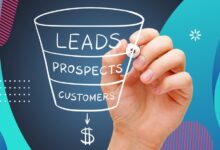
A lead is not yet a customer, but rather a prospect who has entered the sales funnel. The term ‘lead’ comes from the idea that this person ‘leads’ the way toward a potential sale. According to Investopedia, a lead is “a potential sales contact”, often generated through marketing efforts.
- A lead shows initial interest in a brand.
- Leads are not guaranteed conversions.
- They serve as the starting point of customer acquisition.
The quality of a lead matters significantly. A high-quality lead is someone who fits your ideal customer profile and has a genuine need for your offering. In contrast, a low-quality lead may have shown interest but lacks intent or relevance.
Why Leads Are the Backbone of Sales Funnels
The entire sales process hinges on the generation and nurturing of leads. Without leads, there are no opportunities to convert. The sales funnel begins with lead generation and progresses through stages like qualification, engagement, and conversion.
“No leads, no business. It’s that simple.” — Sales expert Jill Konrath
Companies invest heavily in lead generation because it directly correlates with revenue potential. For example, businesses using lead management tools report up to 10% more sales productivity, according to Salesforce.
Types of Leads: From Cold to Hot Prospects
Not all leads are created equal. Understanding the different types of leads helps businesses prioritize efforts and allocate resources efficiently. The classification of leads is based on their level of engagement, intent, and readiness to buy.
Cold Leads: The Starting Point
Cold leads are individuals who have had minimal or no interaction with your brand. They may have been acquired through purchased lists, trade shows, or broad advertising campaigns. These leads are typically unaware of your brand or have only a vague interest.
- Low engagement level.
- Require significant nurturing.
- High effort-to-conversion ratio.
Turning cold leads into customers requires consistent follow-up, valuable content, and trust-building. Email drip campaigns and retargeting ads are common strategies used to warm up cold leads.
Warm Leads: Showing Genuine Interest
Warm leads have interacted with your brand in a meaningful way. They might have downloaded a guide, attended a webinar, or visited your pricing page multiple times. These prospects are aware of their problem and are actively seeking a solution.
According to HubSpot, warm leads are 20% more likely to convert than cold ones. This is because they’ve already taken steps toward engagement, indicating higher intent.
- Higher engagement than cold leads.
- More receptive to communication.
- Often in the consideration phase of the buyer’s journey.
Effective nurturing of warm leads includes personalized emails, case studies, and product demos tailored to their needs.
Hot Leads: Ready to Buy Now
Hot leads are the most valuable. They’ve demonstrated strong buying intent—perhaps by requesting a quote, scheduling a demo, or adding items to a cart. These prospects are at the bottom of the sales funnel and are close to making a purchase decision.
Speed is critical with hot leads. Research by InsideSales shows that the odds of qualifying a lead drop by 10x if the follow-up takes longer than 5 minutes.
“The first to respond wins the deal 78% of the time.” — InsideSales.com
Sales teams must act quickly to capitalize on hot leads, using immediate outreach via phone, chat, or personalized email.
Leads Meaning in Marketing vs. Sales: Bridging the Gap
While both marketing and sales deal with leads, their perspectives and goals differ. Understanding the leads meaning in each context helps align teams and improve conversion rates.
Marketing’s Role in Lead Generation
Marketing is responsible for attracting and capturing leads through various channels such as social media, SEO, paid ads, and content marketing. The primary goal is to generate awareness and interest.
- Focuses on volume and reach.
- Uses lead magnets (e.g., free trials, eBooks) to collect contact info.
- Measures success by cost per lead and conversion rate.
Marketing qualified leads (MQLs) are those who have engaged with content and meet certain behavioral criteria but aren’t yet ready for direct sales contact.
Sales’ Perspective on Lead Qualification
Sales teams take over once a lead is deemed ready for direct engagement. Their focus is on qualifying leads based on budget, authority, need, and timeline (BANT framework).
A sales qualified lead (SQL) is one that has been vetted and is ready for a sales conversation. The transition from MQL to SQL is crucial and often a point of friction between departments.
- Focuses on intent and readiness to buy.
- Uses direct outreach and discovery calls.
- Measures success by conversion to opportunity and closed deals.
According to Marketo’s Definitive Guide to Lead Generation, alignment between marketing and sales can increase revenue by up to 208%.
How Leads Are Generated: Top Strategies and Channels
Generating high-quality leads requires a strategic mix of digital and traditional methods. The leads meaning expands when we consider how diverse the sources can be.
Digital Marketing: The Modern Lead Engine
Digital channels dominate lead generation in today’s landscape. Websites, search engines, and social platforms serve as primary touchpoints.
- Search Engine Optimization (SEO): Attracts organic traffic from users actively searching for solutions.
- Pay-Per-Click (PPC) Advertising: Targets specific keywords and demographics with immediate visibility.
- Social Media Marketing: Engages users on platforms like LinkedIn, Facebook, and Instagram.
Content marketing, including blogs, webinars, and videos, plays a vital role in nurturing leads over time. A study by DemandGen Report found that companies with strong content strategies generate 3x more leads than those without.
Offline Methods: Still Relevant Today
Despite the digital shift, offline lead generation remains effective, especially in B2B and local markets.
- Trade shows and industry events allow face-to-face interactions.
- Networking events build relationships and trust.
- Referral programs leverage existing customers to bring in new leads.
According to the Center for Exhibition Industry Research, 80% of trade show attendees are potential buyers, making events a high-yield source for quality leads.
Lead Magnets: The Art of Giving to Get
A lead magnet is a free resource offered in exchange for contact information. It’s a cornerstone of inbound marketing.
Effective lead magnets solve a specific problem or provide immediate value. Examples include:
- E-books and guides
- Free trials or demos
- Checklists and templates
- Webinars and training sessions
HubSpot reports that businesses using lead magnets see a 42% increase in lead conversion rates. The key is relevance—your offer must align with your audience’s pain points.
Lead Scoring: Prioritizing Prospects for Maximum ROI
Not all leads deserve equal attention. Lead scoring is a systematic way to rank prospects based on their likelihood to convert. This process enhances efficiency and improves sales-marketing alignment.
What Is Lead Scoring?
Lead scoring assigns numerical values to leads based on demographic and behavioral data. Factors include job title, company size, website visits, email opens, and content downloads.
- Positive points for engagement (e.g., visiting pricing page).
- Negative points for inactivity or mismatched profile.
- Thresholds determine when a lead becomes sales-ready.
For example, a lead who downloads a product brochure and attends a demo might score 85/100, triggering a handoff to sales.
Benefits of Implementing Lead Scoring
Lead scoring brings numerous advantages:
- Improved Conversion Rates: Focuses effort on high-potential leads.
- Better Resource Allocation: Prevents wasted time on unqualified prospects.
- Enhanced Personalization: Enables tailored messaging based on lead behavior.
Marketo found that companies using lead scoring experience a 77% increase in lead generation ROI.
“Lead scoring turns noise into signal.” — Marketing automation expert
Leads Meaning in CRM: Tracking and Managing the Journey
Customer Relationship Management (CRM) systems are essential for managing the leads meaning throughout the customer lifecycle. They provide a centralized platform to track interactions, automate workflows, and analyze performance.
How CRM Systems Capture and Organize Leads
Modern CRMs like Salesforce, HubSpot, and Zoho automatically capture leads from multiple sources—website forms, email campaigns, social media, and ads.
- Stores contact details, interaction history, and lead source.
- Tags and segments leads for targeted communication.
- Integrates with marketing and sales tools for seamless data flow.
Automation features, such as lead assignment and follow-up reminders, reduce manual work and ensure timely engagement.
From Lead to Customer: The CRM Workflow
The CRM workflow typically follows these stages:
- Lead Capture: Information is collected and stored.
- Lead Qualification: Scored and categorized based on criteria.
- Lead Nurturing: Engaged with targeted content and emails.
- Opportunity Creation: Transferred to sales as a qualified prospect.
- Conversion: Closed as a customer or disqualified.
According to Zoho CRM, businesses using CRM systems see a 29% increase in sales performance.
Common Challenges in Lead Management and How to Overcome Them
Despite best efforts, many organizations struggle with lead management. Understanding the leads meaning also involves recognizing the pitfalls and how to avoid them.
Poor Lead Quality and Misalignment
One of the biggest challenges is receiving low-quality leads that don’t convert. This often stems from misalignment between marketing and sales on what constitutes a qualified lead.
Solution: Establish a Service Level Agreement (SLA) between departments, defining lead criteria, response times, and feedback loops.
- Define clear lead qualification standards.
- Conduct regular alignment meetings.
- Use shared KPIs to measure joint success.
Lead Follow-Up Delays
Slow response times drastically reduce conversion chances. As mentioned earlier, delays beyond 5 minutes can cost you the deal.
Solution: Implement automated lead routing and instant notifications. Use chatbots or AI-powered tools to engage leads immediately.
“Speed wins in sales.” — Chet Holmes, author of The Ultimate Sales Machine
Data Silos and Fragmented Systems
When lead data is scattered across spreadsheets, emails, and disconnected tools, it becomes difficult to track and act on leads effectively.
Solution: Invest in an integrated tech stack. Use a CRM as the central hub, connected to marketing automation, email, and analytics platforms.
- Ensure real-time data synchronization.
- Train teams on system usage.
- Regularly audit data quality and hygiene.
What is the basic leads meaning?
The basic leads meaning refers to a person or organization that has shown interest in a product or service and is considered a potential customer. Leads are the starting point of the sales process and are typically generated through marketing efforts.
What are the different types of leads?
Leads are categorized as cold, warm, or hot based on their level of engagement. Cold leads have minimal interaction, warm leads have shown interest, and hot leads are ready to buy. Other classifications include Marketing Qualified Leads (MQL) and Sales Qualified Leads (SQL).
How can I generate high-quality leads?
Generate high-quality leads through targeted digital marketing (SEO, PPC, content), lead magnets (e-books, webinars), social media engagement, and offline methods like events and referrals. Focus on relevance, value, and audience targeting.
Why is lead scoring important?
Lead scoring helps prioritize leads based on their likelihood to convert, improving sales efficiency and ROI. It ensures that sales teams focus on the most promising prospects, reducing wasted effort and increasing conversion rates.
How does CRM help in managing leads?
CRM systems centralize lead data, automate follow-ups, track interactions, and streamline the sales process. They enable better organization, personalization, and analysis of lead behavior, leading to higher conversion rates and improved customer relationships.
Understanding the leads meaning is not just about defining a term—it’s about mastering the foundation of business growth. From identifying lead types to leveraging CRM tools and overcoming common challenges, effective lead management drives sales success. By aligning marketing and sales, using data-driven strategies, and acting with speed and precision, businesses can turn prospects into loyal customers. The journey from lead to sale is complex, but with the right approach, it becomes a powerful engine for sustainable growth.
Further Reading:
