Ever wondered what a lead really is in the world of marketing? The leads definition isn’t just jargon—it’s the foundation of every successful sales funnel. Let’s break it down in simple, powerful terms.


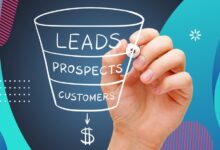

Leads Definition: What Exactly Is a Lead?

At its core, the leads definition refers to a person or organization that has shown interest in your product or service. This interest can come from various actions—filling out a form, subscribing to a newsletter, downloading a whitepaper, or even engaging with your content on social media. A lead is not yet a customer, but they are a potential one.
The Basic Criteria of a Lead
For someone to qualify as a lead, certain conditions must be met. These criteria help businesses distinguish between random website visitors and those who have a genuine interest.
- Identifiable Information: A lead must provide some form of contact detail—email, phone number, or company name.
- Expressed Interest: They’ve taken an action that signals intent, such as signing up for a demo.
- Relevance: The individual or company fits your target customer profile (buyer persona).
Leads vs. Prospects: Understanding the Difference
While often used interchangeably, leads and prospects are not the same. A lead is an early-stage contact, whereas a prospect is a lead that has been qualified and is actively being pursued by sales.
“Not all leads are prospects, but all prospects start as leads.” — Sales Insight Lab
Qualification involves assessing factors like budget, authority, need, and timeline (BANT framework). Only after this evaluation does a lead become a sales-ready prospect.
Why the Leads Definition Matters in Modern Marketing
Understanding the precise leads definition is critical because it shapes how companies design their marketing strategies, allocate budgets, and measure success. Without clarity, teams risk chasing unqualified contacts and wasting valuable resources.
Alignment Between Sales and Marketing Teams
One of the biggest challenges in B2B and B2C environments is the misalignment between sales and marketing. When both departments share a unified understanding of what constitutes a lead, collaboration improves dramatically.
- Marketing focuses on generating high-intent leads.
- Sales accepts only those leads that meet predefined criteria.
- Shared KPIs reduce friction and improve conversion rates.
According to HubSpot, companies with strong sales and marketing alignment achieve 36% higher customer retention and 38% higher sales win rates.
Impact on ROI and Budget Allocation
When you clearly define what a lead is, you can track which channels generate the most valuable leads. This data-driven approach allows for smarter budget allocation.
- Paid ads might bring traffic, but are they generating qualified leads?
- Content marketing may take longer, but often produces higher-quality leads.
- Social media engagement doesn’t always translate into actionable leads.
By applying a strict leads definition, businesses can eliminate guesswork and invest in what truly works.
Types of Leads Based on the Leads Definition
Not all leads are created equal. The leads definition evolves depending on the stage of the buyer’s journey and the level of engagement. Let’s explore the main types.
Information Qualified Lead (IQL)
An IQL is someone who has consumed educational content but hasn’t yet indicated a strong intent to buy. They might have downloaded a guide or watched a webinar.
- Low sales readiness
- High potential for nurturing
- Best handled by marketing automation
IQLs are often the starting point of the funnel. Their value lies in their willingness to engage, not in immediate conversion.
Marketing Qualified Lead (MQL)
An MQL is a lead that marketing deems ready for further nurturing or handoff to sales. This determination is based on behavior and scoring models.
- Visited pricing page multiple times
- Downloaded product brochure
- Attended a live demo session
According to MarketingProfs, defining MQLs requires a clear agreement between marketing and sales on what actions constitute qualification.
Sales Qualified Lead (SQL)
An SQL is a lead that sales has accepted as ready for direct outreach. This is a critical transition point in the funnel.
- Expressed budget and timeline
- Requested a one-on-one meeting
- Replied positively to a sales email
SQLs have passed the initial screening and are now in active sales conversations. The conversion rate from SQL to customer is significantly higher than earlier stages.
Product Qualified Lead (PQL)
PQLs are common in SaaS and freemium models. These leads have used the product (often in a free trial or limited version) and demonstrated behaviors indicating readiness to upgrade.
- Used key features multiple times
- Invited team members
- Reached usage limits
As Pardot explains, PQLs are among the most valuable because their interest is proven through actual product interaction.
How the Leads Definition Shapes Lead Generation Strategies
Once you understand the leads definition, you can design more effective lead generation campaigns. The goal isn’t just to collect names—it’s to attract the right kind of attention.
Content Marketing and Lead Magnets
One of the most effective ways to generate leads is through valuable content. A well-crafted ebook, checklist, or template acts as a lead magnet—something offered in exchange for contact information.
- Blog posts with gated content increase conversion rates
- Webinars attract high-intent leads
- Free tools (e.g., ROI calculators) capture qualified users
For example, a company offering CRM software might create a free “Sales Pipeline Template” to attract sales managers—precisely their target audience.
Paid Advertising and Lead Capture
Paid channels like Google Ads and LinkedIn Ads allow precise targeting. When aligned with a clear leads definition, these platforms can deliver high-quality leads quickly.
- LinkedIn ads target by job title, industry, and company size
- Google Search ads capture intent through keyword targeting
- Retargeting ads re-engage visitors who didn’t convert
However, without proper lead qualification, paid campaigns can become expensive sources of low-quality data. Always pair ads with strong landing pages and lead capture forms.
Social Media and Organic Lead Generation
Social platforms are no longer just for brand awareness. With the right strategy, they can be powerful lead generators.
- LinkedIn lead gen forms allow frictionless data collection
- Instagram and Facebook lead ads integrate with CRM systems
- Twitter (X) polls and threads can spark engagement and interest
But remember: engagement ≠ lead. A like or comment doesn’t meet the leads definition unless contact details are captured.
Lead Scoring: Applying the Leads Definition in Practice
Lead scoring is the process of assigning values to leads based on their behavior, demographics, and engagement level. It’s how companies operationalize the leads definition.
Demographic vs. Behavioral Scoring
Two main types of data inform lead scoring models:
- Demographic Scoring: Based on firmographic or personal data (job title, company size, location).
- Behavioral Scoring: Based on actions taken (email opens, page visits, content downloads).
A lead who is a decision-maker (demographic) and has visited the pricing page three times (behavioral) would score higher than a student downloading a case study.
Setting Thresholds for MQL and SQL
Once scoring is in place, businesses set thresholds to determine when a lead becomes an MQL or SQL.
- MQL threshold: 50 points (e.g., downloaded two resources + visited about page)
- SQL threshold: 80 points (e.g., attended demo + requested quote)
These thresholds should be reviewed regularly and adjusted based on conversion data. As Salesforce notes, effective lead scoring can increase sales productivity by up to 30%.
Automating Lead Scoring with CRM Tools
Modern CRM and marketing automation platforms like HubSpot, Marketo, and Pardot allow businesses to automate lead scoring.
- Real-time updates based on user behavior
- Integration with email, website, and ad platforms
- Custom workflows for nurturing or alerting sales
Automation ensures consistency and reduces human bias in the qualification process.
Common Mistakes in Applying the Leads Definition
Even experienced marketers make errors when defining and handling leads. Avoiding these pitfalls can dramatically improve conversion rates.
Overvaluing Quantity Over Quality
Many companies celebrate high lead volume without assessing quality. A thousand unqualified leads are less valuable than ten sales-ready ones.
“I’d rather have 100 great leads than 10,000 junk leads.” — Anonymous Sales Director
Focus on lead quality by refining your leads definition and setting strict qualification criteria.
Lack of Clear Handoff Between Marketing and Sales
When marketing passes leads to sales without alignment, frustration ensues. Sales may reject leads they deem unqualified, damaging interdepartmental trust.
- Solution: Create a Service Level Agreement (SLA) between teams
- Define what constitutes a “good” lead
- Establish response time expectations
Ignoring Lead Nurturing
Not all leads are ready to buy immediately. According to MarketingCharts, 75% of leads are not ready to make a purchase when they first engage.
Without nurturing, these leads go cold. Use email sequences, retargeting, and personalized content to stay top-of-mind until they’re ready.
Future Trends in Lead Generation and the Evolving Leads Definition
The leads definition is not static. As technology and consumer behavior evolve, so too does what constitutes a valuable lead.
The Rise of Zero-Party Data
With increasing privacy regulations (GDPR, CCPA), third-party cookies are fading. The future belongs to zero-party data—information customers willingly share.
- Preference centers where users select interests
- Interactive quizzes that collect intent data
- Direct opt-ins for personalized experiences
This shift means the leads definition will increasingly rely on explicit consent and transparency.
AI and Predictive Lead Scoring
Artificial intelligence is transforming how leads are identified and scored. Predictive models analyze historical data to forecast which leads are most likely to convert.
- AI identifies patterns humans might miss
- Real-time recommendations for next best actions
- Dynamic scoring that adapts over time
Tools like InsideSales use AI to prioritize leads, boosting sales efficiency.
Account-Based Marketing (ABM) and Leads Definition
ABM flips traditional lead generation by targeting specific accounts rather than individuals. In this model, a “lead” might be an entire buying committee.
- Focus on company-level engagement
- Multiple stakeholders contribute to lead qualification
- Success measured by account progression, not individual conversions
As ABM grows, the leads definition must expand to include organizational intent and multi-touchpoint journeys.
What is the basic leads definition?
The basic leads definition is a person or organization that has shown interest in your product or service by providing contact information and engaging with your brand in a measurable way.
What’s the difference between an MQL and an SQL?
An MQL (Marketing Qualified Lead) is a lead that marketing believes is ready for further nurturing, while an SQL (Sales Qualified Lead) is a lead that sales has accepted and is ready for direct outreach.
How do you qualify a lead?
Leads are qualified using criteria like BANT (Budget, Authority, Need, Timeline) or through lead scoring models that combine demographic and behavioral data.
What is a PQL in the leads definition?
A PQL (Product Qualified Lead) is a lead who has used your product (e.g., free trial) and demonstrated behaviors indicating they’re ready to become a paying customer.
Why is lead scoring important?
Lead scoring helps prioritize leads based on their likelihood to convert, ensuring sales teams focus on the most promising opportunities and improving overall efficiency.
Understanding the leads definition is more than a marketing exercise—it’s a strategic imperative. From identifying the right contacts to aligning teams and leveraging technology, a clear definition shapes every aspect of customer acquisition. As the landscape evolves with AI, privacy changes, and new models like ABM, the way we define and handle leads will continue to transform. The key is to stay agile, data-driven, and focused on quality over quantity. Master the leads definition, and you master the first step toward sustainable growth.
Further Reading:
