Lead generation isn’t just about collecting names—it’s about building relationships that convert. In today’s competitive digital landscape, mastering lead generation can be the difference between a thriving business and one that struggles to survive. Let’s dive into the strategies that actually work.


What Is Lead Generation and Why It Matters

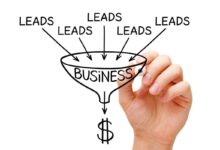
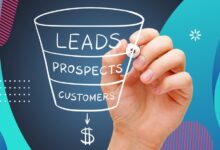
At its core, lead generation is the process of attracting and converting strangers into potential customers. Whether you’re running a B2B SaaS company or an e-commerce store, generating high-quality leads is essential for sustainable growth. Without a steady flow of leads, even the best products can go unnoticed.
The Evolution of Lead Generation
Lead generation has evolved dramatically over the past two decades. In the early 2000s, cold calling and trade shows were the primary methods. Today, digital channels dominate. According to HubSpot, 61% of marketers say generating traffic and leads is their biggest challenge, which shows how critical it is to get this right.
- Pre-internet era: door-to-door sales, print ads, direct mail
- Early digital: email campaigns, basic landing pages
- Modern era: AI-driven targeting, social media, content marketing
The shift has been fueled by data, automation, and consumer behavior changes. People no longer respond well to aggressive sales tactics—they want value first.
Types of Leads in the Funnel
Not all leads are created equal. Understanding the different types helps you tailor your follow-up strategy:
Marketing Qualified Leads (MQLs): These leads have engaged with your content—downloaded an eBook, attended a webinar—but aren’t ready to buy yet.Sales Qualified Leads (SQLs): These have shown buying intent, such as requesting a demo or pricing info.Product Qualified Leads (PQLs): Common in SaaS, these users have experienced your product (e.g., free trial) and shown signs of readiness to upgrade.”The goal of lead generation isn’t to collect as many emails as possible—it’s to attract the right people who will eventually become customers.” — Neil PatelTop 7 Lead Generation Strategies That Work in 2024With so many tactics available, it’s easy to get overwhelmed.But not all strategies deliver equal results.
.Based on industry benchmarks and real-world case studies, here are seven of the most effective lead generation methods today..
1. Content Marketing with Gated Offers
Content is still king when it comes to lead generation. But simply publishing blog posts isn’t enough. You need to offer something valuable in exchange for contact information. This is where gated content comes in.
Gated offers like eBooks, whitepapers, templates, and toolkits are proven to convert. For example, a well-designed “Ultimate SEO Checklist” can attract hundreds of marketing professionals looking to improve their rankings.
- Create high-value content that solves a specific problem
- Use a lead capture form on a dedicated landing page
- Follow up with an automated email sequence
According to Demand Gen Report, 77% of B2B companies use content marketing to generate leads. The key is relevance—your content must align with your audience’s pain points.
For best practices on creating high-converting landing pages, check out HubSpot’s guide to landing page optimization.
2. Search Engine Optimization (SEO) for Organic Lead Flow
SEO remains one of the most cost-effective lead generation channels. Unlike paid ads, organic traffic compounds over time. When done right, a single blog post can generate leads for years.
Focus on long-tail keywords with buyer intent, such as “best CRM for small business” or “how to generate leads for real estate”. These queries indicate the user is in research mode and closer to making a decision.
- Optimize on-page elements: title tags, meta descriptions, headers
- Build high-quality backlinks from authoritative sites
- Improve page speed and mobile responsiveness
Ahrefs reports that pages ranking in the top 10 on Google receive 90% of all clicks. That’s why SEO is non-negotiable for long-term lead generation success.
To dive deeper into keyword research, visit Ahrefs’ comprehensive keyword research guide.
3. Paid Advertising with Precision Targeting
If you need fast results, paid advertising is your best bet. Platforms like Google Ads and Facebook Ads allow you to target users based on demographics, interests, and even intent signals.
For B2B lead generation, LinkedIn Ads are particularly effective. You can target decision-makers by job title, industry, and company size. A well-crafted ad campaign can generate qualified leads within days.
- Use A/B testing to optimize ad copy and visuals
- Retarget website visitors who didn’t convert
- Set up conversion tracking to measure ROI accurately
However, paid ads require a budget and expertise. Poorly managed campaigns can burn cash quickly. Always start small, test, and scale what works.
Learn more about LinkedIn’s targeting options at LinkedIn’s official advertising guide.
Building High-Converting Landing Pages
Your lead generation efforts are only as strong as your landing pages. A confusing or cluttered page can kill conversions, no matter how good your offer is.
Essential Elements of a Winning Landing Page
A high-converting landing page isn’t about design alone—it’s about clarity, trust, and urgency. Here’s what you need:
- Clear headline: Communicate the benefit instantly (e.g., “Get Your Free Marketing Plan Template”)
- Compelling subheadline: Expand on the value proposition
- Strong call-to-action (CTA): Use action-oriented language like “Download Now” or “Start My Free Trial”
- Minimal form fields: Only ask for essential info (name and email often suffice)
- Social proof: Include testimonials, logos of clients, or trust badges
Unbounce found that reducing form fields from four to three increased conversions by 50%. Less is often more.
A/B Testing for Continuous Improvement
Never assume you’ve nailed your landing page on the first try. A/B testing allows you to compare two versions and see which performs better.
Common elements to test:
- Headline variations
- Button color and placement
- Image vs. video
- Form length
Even small changes can have a big impact. For example, changing a CTA from “Submit” to “Get Instant Access” increased conversions by 32% in one case study.
Use tools like Google Optimize or Optimizely to run experiments. Remember: test one variable at a time for accurate results.
Lead Capture Tools and Technology
Technology plays a crucial role in modern lead generation. From CRM systems to chatbots, the right tools can automate and scale your efforts.
Customer Relationship Management (CRM) Systems
A CRM like Salesforce or HubSpot CRM helps you organize, track, and nurture leads throughout the sales funnel. It centralizes all lead data—contact info, interaction history, deal stage—so your sales team can act efficiently.
- Automate follow-up emails
- Set reminders for outreach
- Track lead sources and conversion rates
According to Nucleus Research, CRM applications increase sales by 29% on average. That’s a massive ROI for a tool that also improves customer experience.
Explore HubSpot’s free CRM at HubSpot CRM.
Chatbots and Live Chat for Instant Engagement
Many visitors leave your site without converting simply because they have a quick question. Chatbots can answer them 24/7, capturing leads even when your team is offline.
For example, a chatbot on a pricing page might ask, “Need help choosing a plan?” and offer to connect the user with a sales rep or send a brochure.
- Qualify leads by asking qualifying questions
- Book meetings directly into your calendar
- Route high-intent users to live agents
Drift, a conversational marketing platform, reports that companies using chatbots see a 30-50% increase in qualified leads.
See how Intercom uses chatbots for lead generation at Intercom’s conversational marketing page.
Nurturing Leads with Email Marketing
Only 2% of website visitors convert on their first visit. That means 98% need nurturing before they’re ready to buy. This is where email marketing shines.
Creating Automated Email Sequences
Also known as drip campaigns, automated email sequences deliver the right message at the right time. For example:
- Day 1: Welcome email with your free download
- Day 3: Case study showing how a customer solved a similar problem
- Day 5: Invitation to a live demo or consultation
These sequences build trust and keep your brand top-of-mind. ActiveCampaign found that drip emails generate 18x more revenue than broadcast emails.
Personalization and Segmentation
Generic emails get ignored. Personalized ones get opened. Use data like name, company, and behavior to tailor your messages.
Segment your list based on:
- Lead source (e.g., webinar vs. eBook download)
- Industry or job title
- Engagement level (e.g., opened 3+ emails)
Mailchimp reports that segmented campaigns have a 14.31% higher open rate and 100.95% higher click-through rate than non-segmented ones.
For advanced email automation strategies, visit Mailchimp’s email marketing best practices.
Measuring Lead Generation Success
What gets measured gets managed. To optimize your lead generation efforts, you need to track the right metrics.
Key Performance Indicators (KPIs) to Track
Not all metrics are equally important. Focus on these KPIs:
- Conversion Rate: Percentage of visitors who become leads
- Cost Per Lead (CPL): How much you spend to acquire one lead
- Lead-to-Customer Rate: Percentage of leads that become paying customers
- Return on Ad Spend (ROAS): Revenue generated per dollar spent on ads
For example, if your landing page has a 5% conversion rate and you get 10,000 visitors, you’ll generate 500 leads. If your CPL is $20, your total spend is $10,000. If 10% of those leads convert to customers at $500 each, you’ve made $25,000 in revenue—a solid return.
Using Analytics Tools
Google Analytics is a must-have for tracking traffic and behavior. Set up goals to measure form submissions, downloads, and other conversions.
- Use UTM parameters to track campaign performance
- Set up event tracking for button clicks and video views
- Integrate with your CRM for full-funnel visibility
Google Data Studio can help visualize your lead generation performance across channels. This makes it easier to spot trends and optimize campaigns.
Learn how to set up goals in Google Analytics at Google’s official guide.
Common Lead Generation Mistakes to Avoid
Even experienced marketers make mistakes that hurt their lead generation results. Here are the most common pitfalls and how to avoid them.
Targeting the Wrong Audience
You can have the best offer in the world, but if it’s not reaching the right people, it won’t convert. Many businesses cast too wide a net, hoping to attract anyone.
Solution: Create detailed buyer personas. Who are your ideal customers? What are their pain points, goals, and objections? Use this data to refine your targeting.
Overcomplicating the Lead Capture Process
Long forms, confusing navigation, and slow load times can kill conversions. The easier it is to become a lead, the more leads you’ll get.
Solution: Simplify your forms. Only ask for essential information. Use progressive profiling to gather more data over time.
“Don’t make people work to give you their information. Make it so easy they’d feel silly not to.” — Brian Dean, Backlinko
Neglecting Lead Follow-Up
Many businesses generate leads but fail to follow up promptly. Research by InsideSales shows that the odds of qualifying a lead drop by 400% if you don’t contact them within the first minute.
Solution: Automate follow-up emails and set up instant notifications for sales teams. Use chatbots to engage leads in real time.
What is lead generation?
Lead generation is the process of attracting and converting strangers into potential customers by collecting their contact information, usually through offers like eBooks, webinars, or free trials.
What are the best lead generation strategies?
The most effective strategies include content marketing with gated offers, SEO, paid advertising, email marketing, and using chatbots. The best approach depends on your audience and industry.
How do I measure lead generation success?
Track key metrics like conversion rate, cost per lead, lead-to-customer rate, and return on ad spend. Use tools like Google Analytics and CRM systems to monitor performance.
What tools are essential for lead generation?
Essential tools include a CRM (e.g., HubSpot), email marketing platforms (e.g., Mailchimp), landing page builders (e.g., Unbounce), and analytics tools (e.g., Google Analytics).
How can I generate more high-quality leads?
Focus on targeting the right audience, offering valuable content, simplifying your lead capture process, and nurturing leads with personalized follow-up sequences.
Lead generation is not a one-time campaign—it’s an ongoing process that fuels business growth. By combining proven strategies like content marketing, SEO, and email automation with the right tools and metrics, you can build a predictable pipeline of high-quality leads. Avoid common mistakes, test relentlessly, and always focus on delivering value. The result? More conversions, higher revenue, and a stronger brand presence in your market.
Further Reading:
