Lead generation isn’t just about collecting names—it’s about building relationships that convert. In today’s digital world, mastering lead generation can be the game-changer your business needs to grow sustainably and profitably.



What Is Lead Generation and Why It Matters

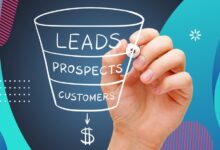
Lead generation is the strategic process of attracting and converting prospects into potential customers who have shown interest in your product or service. It’s the foundation of any successful sales funnel, bridging the gap between marketing efforts and revenue.
Defining a Lead in Modern Marketing
A ‘lead’ is more than just a contact. It’s someone who has engaged with your brand—whether by downloading a guide, signing up for a newsletter, or requesting a demo. This engagement signals intent, making them a qualified prospect.
- Leads can be categorized as marketing-qualified (MQL), sales-qualified (SQL), or product-qualified (PQL).
- Not all leads are equal—quality matters more than quantity.
- Modern lead generation focuses on intent-based data rather than just demographic information.
The Role of Lead Generation in Business Growth
Without a steady stream of leads, even the best products can fail. Lead generation fuels growth by ensuring a consistent pipeline of potential customers.
- It reduces customer acquisition costs over time when done efficiently.
- It enables personalized marketing and sales outreach.
- It supports long-term customer relationship building through nurturing.
“The best leads aren’t found—they’re cultivated.” — HubSpot, What is Lead Generation?
Types of Leads: Understanding MQL, SQL, and PQL
Not every person who fills out a form is ready to buy. Understanding the different types of leads helps you allocate resources effectively and improve conversion rates.
Marketing-Qualified Leads (MQL)
MQLs are individuals who have engaged with your marketing content but aren’t yet ready for direct sales contact. They might have downloaded an eBook, attended a webinar, or subscribed to your email list.
- They show interest but may lack full buying intent.
- Best handled through automated email sequences and content nurturing.
- Scoring models help identify when an MQL becomes sales-ready.
Sales-Qualified Leads (SQL)
SQLs are leads that marketing has passed to sales because they’ve demonstrated clear buying intent—such as requesting a demo, pricing information, or a direct call.
- They meet specific criteria like budget, authority, need, and timeline (BANT).
- Require immediate follow-up from the sales team.
- Higher conversion potential compared to MQLs.
Product-Qualified Leads (PQL)
PQLs emerge primarily in SaaS and freemium models. These users have experienced your product firsthand—through a free trial or limited access—and shown behaviors indicating readiness to upgrade.
- Behavioral data (e.g., feature usage, login frequency) determines qualification.
- Highly effective in reducing friction in the sales process.
- Commonly used by companies like Slack, Dropbox, and Zoom.
Top 7 Lead Generation Strategies That Work in 2024
With so many channels available, it’s crucial to focus on strategies that deliver measurable results. Here are seven proven lead generation tactics that dominate in 2024.
1. Content Marketing with Gated Offers
Content remains king in lead generation. By offering high-value resources like eBooks, whitepapers, or templates in exchange for contact information, you attract qualified leads.
- Create content that solves real pain points (e.g., “Ultimate Guide to SEO in 2024”).
- Use landing pages with clear CTAs and minimal form fields.
- Gate premium content behind email capture forms to boost conversions.
According to Content Marketing Institute, content-driven lead generation costs 62% less than traditional outbound methods while generating three times as many leads.
2. Search Engine Optimization (SEO) for Organic Lead Capture
SEO isn’t just about rankings—it’s a powerful lead generation engine. When people search for solutions you offer, appearing at the top increases visibility and trust.
- Optimize for long-tail keywords like “best CRM for small businesses.”
- Create pillar pages and topic clusters to establish authority.
- Include CTAs within blog posts to guide readers toward lead magnets.
“Organic search drives 53% of all website traffic.” — Backlinko
3. Paid Advertising (PPC & Social Ads)
Pay-per-click (PPC) campaigns on Google Ads and social media platforms like LinkedIn and Facebook allow precise targeting for rapid lead generation.
- Use LinkedIn Ads for B2B lead generation with job title and company targeting.
- Leverage Facebook Lead Ads for instant form fills without leaving the platform.
- Retarget website visitors with dynamic ads to re-engage cold leads.
A study by Neil Patel shows that businesses earn an average of $2 in revenue for every $1 spent on Google Ads—making it one of the highest ROI lead generation channels.
4. Webinars and Live Events
Webinars combine education and engagement, making them ideal for capturing high-intent leads.
- Host expert-led sessions on trending industry topics.
- Require registration with email and job details.
- Follow up with attendees using automated email sequences.
GoToWebinar reports that the average webinar conversion rate is 40%, far exceeding most other digital lead generation methods.
5. Email Marketing and Lead Nurturing
Email is still one of the most effective lead generation and nurturing tools. It allows direct communication with prospects at scale.
- Use lead magnets to grow your email list organically.
- Segment your list based on behavior and interests.
- Send drip campaigns that educate, build trust, and guide leads toward purchase.
Mailchimp data shows that segmented email campaigns generate 30% higher open rates and 50% more click-throughs—key metrics in successful lead generation.
6. Social Media Engagement and Community Building
Social media isn’t just for brand awareness—it’s a powerful lead generation tool when used strategically.
- Engage in niche groups on LinkedIn and Facebook where your audience hangs out.
- Share valuable content that encourages direct messages or profile visits.
- Use Instagram and TikTok lead forms for younger demographics.
LinkedIn reports that 80% of B2B leads come from its platform, making it indispensable for professional lead generation.
7. Referral and Partner Marketing Programs
Leverage existing customers and partners to generate warm, high-conversion leads.
- Launch a referral program with incentives for both referrer and referee.
- Collaborate with complementary brands for co-marketing campaigns.
- Use affiliate networks to scale lead generation without upfront costs.
Word-of-mouth referrals have a 30% higher conversion rate than other channels, according to Nielsen.
Essential Tools for Effective Lead Generation
Technology plays a critical role in scaling and optimizing lead generation efforts. The right tools can automate processes, improve targeting, and increase conversion rates.
CRM Systems for Lead Management
Customer Relationship Management (CRM) platforms like HubSpot, Salesforce, and Zoho CRM help track, score, and nurture leads throughout the buyer’s journey.
- Automate lead assignment to sales reps.
- Track lead interactions across email, phone, and website.
- Integrate with marketing tools for seamless data flow.
Landing Page Builders
High-converting landing pages are essential for capturing leads. Tools like Unbounce, Leadpages, and Instapage offer drag-and-drop editors and A/B testing features.
- Create mobile-responsive pages optimized for speed.
- Test headlines, CTAs, and form lengths to maximize conversions.
- Integrate with email marketing and CRM systems.
Lead Scoring and Automation Platforms
Lead scoring assigns values to prospects based on behavior and demographics, helping prioritize follow-up.
- Tools like Marketo and Pardot use AI to predict lead readiness.
- Automate workflows based on lead score thresholds.
- Reduce sales team workload by filtering out unqualified leads.
Measuring Lead Generation Success: Key Metrics to Track
Generating leads is only half the battle. To ensure your efforts are paying off, you must measure performance using the right KPIs.
Conversion Rate
This measures the percentage of visitors who become leads (e.g., fill out a form). A high conversion rate indicates effective messaging and user experience.
- Average landing page conversion rate: 2.35% (WordStream).
- Top 25% performers achieve 5.31% or higher.
- Optimize through A/B testing and UX improvements.
Cost Per Lead (CPL)
CPL calculates how much you spend to acquire one lead. It’s crucial for evaluating ROI across channels.
- Formula: Total Campaign Spend ÷ Number of Leads Generated.
- Industry averages vary: $10–$50 for B2B, $1–$10 for B2C.
- Lower CPL doesn’t always mean better—quality matters.
Lead-to-Customer Conversion Rate
This shows how many leads actually become paying customers. It reflects the overall health of your sales and marketing alignment.
- Benchmarks range from 5% to 20% depending on industry.
- Improve through better lead qualification and nurturing.
- Requires closed-loop reporting between marketing and sales.
Common Lead Generation Mistakes to Avoid
Even experienced marketers make errors that undermine their lead generation success. Recognizing these pitfalls can save time, money, and missed opportunities.
Targeting the Wrong Audience
Attracting leads who don’t need your product leads to low conversion and wasted resources.
- Solution: Develop detailed buyer personas using customer data.
- Use intent data and firmographics to refine targeting.
- Regularly audit lead sources for quality.
Overloading Forms with Too Many Fields
Long forms deter conversions. The more fields, the higher the drop-off rate.
- Best practice: Start with just email for initial capture.
- Use progressive profiling to gather more info over time.
- Only ask for essential data upfront.
Neglecting Lead Nurturing
Most leads aren’t ready to buy immediately. Without nurturing, up to 80% go cold.
- Implement automated email drip campaigns.
- Personalize content based on lead behavior.
- Use retargeting ads to stay top-of-mind.
“It takes an average of 8 follow-up attempts to close a sale, but 44% of salespeople give up after one.” — Sales.org
Future Trends in Lead Generation
The lead generation landscape is evolving rapidly due to AI, privacy changes, and shifting consumer behavior. Staying ahead requires adaptability and innovation.
AI-Powered Lead Scoring and Chatbots
Artificial intelligence is transforming how leads are identified and engaged.
- AI analyzes behavior patterns to predict which leads are most likely to convert.
- Chatbots provide instant responses, qualify leads 24/7, and book meetings.
- Tools like Drift and Conversica are leading this shift.
Zero-Party Data and Privacy-First Strategies
With third-party cookies being phased out, brands must rely on zero-party data—information customers willingly share.
- Encourage transparency by explaining how data will be used.
- Offer value in exchange for personal information (e.g., personalized recommendations).
- Build trust through GDPR and CCPA compliance.
Interactive Content for Higher Engagement
Quizzes, calculators, and assessments generate more engagement and better-quality leads than static content.
- Interactive content generates 2x more conversions than passive content (Ion Interactive).
- Users spend 50% more time on interactive pages.
- Perfect for lead qualification and segmentation.
What is lead generation?
Lead generation is the process of attracting and converting strangers into potential customers by capturing their interest in your product or service, typically through contact information exchange.
What are the best lead generation channels?
The most effective channels include content marketing, SEO, paid advertising, email marketing, webinars, and social media—especially LinkedIn for B2B.
How do I generate high-quality leads?
Focus on targeting the right audience, offering valuable content, using lead scoring, and nurturing prospects with personalized communication.
What tools are essential for lead generation?
Key tools include CRM systems (HubSpot, Salesforce), landing page builders (Unbounce), email marketing platforms (Mailchimp), and analytics tools (Google Analytics).
How do I measure lead generation success?
Track metrics like conversion rate, cost per lead, lead-to-customer rate, and ROI. Use closed-loop reporting to connect marketing efforts to sales outcomes.
Lead generation is not a one-time tactic but a continuous strategy that fuels business growth. From understanding lead types to deploying proven strategies and leveraging cutting-edge tools, success lies in consistency, data-driven decisions, and customer-centric approaches. By avoiding common mistakes and embracing future trends like AI and zero-party data, businesses can build a sustainable pipeline that converts. The key is to focus on quality over quantity, nurture relationships, and align marketing with sales for maximum impact.
Further Reading:
