Want to grow your business fast? Then you need leads—real, qualified prospects ready to engage. In this comprehensive guide, we’ll break down everything you need to know about generating, nurturing, and converting high-converting leads using proven strategies and real-world insights.



What Are Leads and Why They Matter

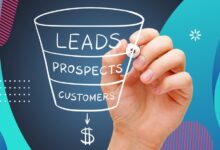
At the heart of every successful business lies a steady stream of leads. But what exactly are leads, and why do they hold such critical importance in the sales and marketing funnel? A lead is any individual or organization that has shown interest in your product or service, typically by providing contact information. This interest can come from various sources—website visits, form submissions, social media engagement, or even cold outreach.
Leads are not just names on a list; they represent potential revenue. Without a consistent flow of quality leads, even the best products can fail to gain traction. According to HubSpot, companies that prioritize lead generation see a 133% higher year-over-year growth than those that don’t (HubSpot, 2023).
Types of Leads
Not all leads are created equal. Understanding the different types helps you tailor your follow-up strategy and improve conversion rates.
- Marketing Qualified Leads (MQLs): These are leads identified by marketing teams as more likely to become customers based on engagement metrics like email opens, content downloads, or webinar attendance.
- Sales Qualified Leads (SQLs): MQLs that have been vetted by the sales team and deemed ready for direct sales outreach.
- Product Qualified Leads (PQLs): Common in SaaS businesses, these leads have used a free trial or freemium version of your product and shown behaviors indicating readiness to upgrade.
Lead Scoring Basics
Lead scoring is a methodology used to rank prospects against a scale that represents their perceived value. It combines demographic and behavioral data to determine how likely a lead is to convert.
- Demographic factors: Job title, company size, industry, location.
- Behavioral factors: Page views, email clicks, content engagement, time on site.
“Lead scoring helps sales teams focus on the right people at the right time, increasing efficiency and closing rates.” — Salesforce Research
7 Proven Strategies to Generate High-Quality Leads
Generating leads isn’t about casting a wide net—it’s about precision. The most effective lead generation strategies target the right audience with the right message at the right time. Below are seven powerful, data-backed methods to attract and capture high-intent leads.
1. Create High-Value Lead Magnets
A lead magnet is a free resource offered in exchange for contact information. The key is to make it so valuable that visitors can’t resist opting in.
- E-books and whitepapers: In-depth guides that solve a specific problem.
- Cheat sheets and templates: Quick-reference tools that save time.
- Free trials and demos: Especially effective for software and subscription services.
For example, Neil Patel’s blog offers a free SEO analyzer tool that captures thousands of leads monthly by providing immediate value. You can explore more about effective lead magnets at Neil Patel’s guide.
2. Optimize Landing Pages for Conversion
Your landing page is where visitors become leads. A poorly designed page can kill even the best traffic campaign.
- Clear headline and subheadline that communicate value instantly.
- Minimal form fields—only ask for essential information.
- Strong call-to-action (CTA) with action-oriented language like “Get My Free Guide” instead of “Submit.”
According to Unbounce, high-converting landing pages often have conversion rates above 10%, with some exceeding 30% when optimized correctly (Unbounce, 2023).
3. Leverage Content Marketing and SEO
Content is one of the most sustainable ways to attract organic leads. By creating content that answers real customer questions, you position your brand as a trusted authority.
- Blog posts targeting long-tail keywords like “how to generate B2B leads” attract high-intent searchers.
- Gated content (e.g., downloadable guides) captures leads at the bottom of the funnel.
- Video content on YouTube or embedded in blogs increases engagement and time on site.
Backlinko’s Brian Dean grew his traffic to over 500,000 monthly visitors using SEO-driven content, which now fuels his lead generation engine.
How to Capture Leads Across Digital Channels
Today’s buyers interact with brands across multiple platforms. To maximize lead volume, you need a multi-channel approach that meets prospects where they are.
Website Lead Capture Tools
Your website should be a 24/7 lead generation machine. Use tools like:
- Pop-up forms: Timed or exit-intent pop-ups can boost conversions by up to 40%.
- Chatbots: AI-powered chatbots like Drift or Intercom engage visitors in real time and qualify leads instantly.
- Embedded forms: Place forms directly within blog posts or resource pages for frictionless sign-ups.
OptinMonster is a popular tool that helps businesses increase conversions using smart targeting rules and A/B testing.
Social Media Lead Generation
Social platforms aren’t just for branding—they’re powerful lead engines when used strategically.
- LinkedIn Lead Gen Forms: Allow users to submit pre-filled forms without leaving the platform.
- Facebook Lead Ads: Capture leads directly within the Facebook or Instagram app.
- Pinterest Idea Pins with links: Drive traffic to lead capture pages.
LinkedIn reports that B2B companies using Lead Gen Forms see up to 3x higher conversion rates compared to traditional landing pages (LinkedIn Marketing Solutions).
Email Marketing for Lead Nurturing
Email remains one of the highest ROI channels for lead generation and nurturing.
- Build a welcome sequence that delivers immediate value after opt-in.
- Use segmentation to send targeted content based on user behavior.
- Automate drip campaigns to move leads through the funnel.
According to the Data & Marketing Association, email marketing has an average ROI of $42 for every $1 spent—making it a cornerstone of any lead strategy.
Lead Nurturing: Turning Prospects into Paying Customers
Only 25% of leads are ready to buy immediately. The rest need nurturing. Lead nurturing is the process of building relationships with prospects through consistent, relevant communication until they’re ready to purchase.
The Importance of Drip Campaigns
Drip campaigns are automated email sequences that deliver content based on time or user behavior.
- Day 1: Welcome email + deliver lead magnet.
- Day 3: Share a case study or customer success story.
- Day 7: Offer a free consultation or demo.
These sequences keep your brand top-of-mind and guide leads toward a decision.
Personalization and Behavioral Triggers
Generic emails get ignored. Personalized messages based on user behavior increase engagement.
- Send a follow-up email if a lead downloads a pricing guide.
- Trigger a special offer if a user abandons a demo signup.
- Use dynamic content in emails to show relevant offers based on industry or role.
Experian found that personalized subject lines increase open rates by 26%, proving that small touches make a big difference.
Multi-Channel Nurturing
Don’t rely solely on email. Combine channels for maximum impact.
- Retarget leads with ads after they visit your pricing page.
- Engage them on LinkedIn with personalized connection requests.
- Invite them to webinars or live Q&A sessions.
Omni-channel nurtured leads have a 9% higher chance of converting than single-channel leads (Omnisend).
Measuring Lead Quality and Conversion Rates
Not all leads are worth the same. Tracking lead quality helps you optimize your acquisition strategy and allocate resources effectively.
Key Metrics to Track
To understand the health of your lead generation efforts, monitor these KPIs:
- Conversion Rate: Percentage of visitors who become leads.
- Cost Per Lead (CPL): Total spend divided by number of leads generated.
- Lead-to-Customer Rate: Percentage of leads that become paying customers.
- Lead Velocity Rate (LVR): Month-over-month growth rate of qualified leads.
For example, a SaaS company might aim for a 5% lead-to-customer rate, while an e-commerce brand might target 15%.
Using CRM and Analytics Tools
Tools like HubSpot, Salesforce, and Pardot help track leads from first touch to close.
- Map the customer journey across touchpoints.
- Identify which channels generate the highest-quality leads.
- Automate reporting to save time and improve accuracy.
Google Analytics 4 (GA4) also allows you to set up conversion events for lead form submissions, giving you deeper insight into user behavior.
“What gets measured gets managed.” — Peter Drucker
Common Lead Generation Mistakes to Avoid
Even experienced marketers make mistakes that hurt lead quality and volume. Avoid these common pitfalls:
Targeting the Wrong Audience
Generating leads is pointless if they’re not your ideal customers. Create detailed buyer personas before launching any campaign.
- Define pain points, goals, and decision-making criteria.
- Use surveys and customer interviews to refine your understanding.
- Align marketing messages with persona-specific needs.
Without accurate targeting, you’ll waste budget on unqualified leads.
Over-Promising in Lead Magnets
If your free guide promises “double your sales in 7 days,” but delivers generic tips, you’ll damage trust and increase unsubscribe rates.
- Be honest about what the lead magnet offers.
- Deliver actionable, specific content.
- Under-promise and over-deliver to build credibility.
Ignoring Lead Follow-Up
Research by InsideSales shows that 35% of sales go to the vendor that responds first. Yet, many businesses take hours or even days to follow up.
- Set up automated email responses within minutes of opt-in.
- Use chatbots to engage leads instantly.
- Train sales reps to prioritize fast follow-up.
Companies that respond within 5 minutes are 21x more likely to qualify a lead (InsideSales.com).
Advanced Lead Generation Tactics for 2024
To stay ahead, you need to go beyond basics. Here are cutting-edge strategies being used by top-performing companies.
Account-Based Marketing (ABM)
ABM flips traditional lead generation by targeting specific high-value accounts rather than broad audiences.
- Identify key decision-makers within target companies.
- Create personalized campaigns for each account.
- Use direct mail, LinkedIn outreach, and custom landing pages.
According to ITSMA, 87% of marketers who measure ROI say ABM outperforms other marketing investments.
AI-Powered Lead Scoring and Chatbots
Artificial intelligence is revolutionizing how we identify and engage leads.
- AI analyzes thousands of data points to predict which leads are most likely to convert.
- Chatbots use natural language processing to qualify leads 24/7.
- Tools like Conversica and Exceed.ai automate lead engagement at scale.
Marketers using AI for lead scoring see up to 50% more conversions (Marketing AI Institute).
Webinar Funneling
Live and automated webinars are powerful lead magnets because they combine education with real-time engagement.
- Host a free webinar on a hot industry topic.
- Require registration to capture leads.
- Follow up with a sales offer during or after the event.
GoToWebinar reports that webinars generate an average of 30-40% attendee-to-lead conversion rates.
What is the difference between a lead and a prospect?
A lead is anyone who has shown interest in your business, such as by filling out a form. A prospect is a lead that has been qualified as having a genuine need, budget, and authority to purchase. All prospects are leads, but not all leads become prospects.
How many leads do I need to hit my sales goals?
It depends on your conversion rate. If you need 10 new customers and your lead-to-customer rate is 10%, you’ll need 100 leads. Use the formula: Required Leads = Sales Goal ÷ Conversion Rate.
What’s the best channel for generating B2B leads?
LinkedIn and email marketing are consistently top performers for B2B lead generation. LinkedIn allows precise targeting by job title and company, while email nurtures relationships over time. Content marketing and SEO also play crucial long-term roles.
How can I improve my lead conversion rate?
Focus on lead quality over quantity. Improve your targeting, personalize follow-ups, reduce response time, and use lead scoring to prioritize high-intent prospects. A/B test your landing pages and CTAs regularly.
Are cold leads worth pursuing?
Cold leads require more nurturing but can still convert with the right strategy. Use educational content, retargeting ads, and multi-touch campaigns to warm them up. However, prioritize warm leads from inbound sources for better ROI.
Generating high-quality leads is the lifeblood of sustainable business growth. From understanding the different types of leads to implementing advanced strategies like AI-powered nurturing and account-based marketing, the path to success lies in consistency, data-driven decisions, and relentless optimization. By focusing on value, relevance, and speed, you can build a lead engine that fuels your sales pipeline for years to come.
Further Reading:
