Running a small business? You need more than just passion—you need precision. Discover how the right CRM software for small business can transform chaos into clarity, boost sales, and supercharge customer relationships—all without breaking the bank.
Why CRM Software for Small Business Is a Game-Changer
Small businesses often operate with limited resources, tight budgets, and high expectations. In such a competitive environment, every interaction with a customer counts. This is where CRM software for small business steps in—not as a luxury, but as a necessity. A well-chosen Customer Relationship Management (CRM) system can streamline operations, improve customer retention, and drive revenue growth.
Boosting Customer Retention and Satisfaction
One of the primary benefits of CRM software for small business is its ability to enhance customer relationships. By centralizing customer data—such as purchase history, communication logs, and preferences—businesses can deliver personalized experiences that foster loyalty.
- Track every customer interaction across email, phone, and social media.
- Send personalized follow-ups based on customer behavior.
- Reduce response times with automated workflows.
According to Forbes Business Council, companies using CRM systems report up to a 27% increase in customer retention.
“A CRM isn’t just a database—it’s the heartbeat of your customer strategy.”
Increasing Sales Efficiency and Conversion Rates
Sales teams in small businesses often juggle multiple roles. CRM software for small business automates repetitive tasks like data entry, lead tracking, and follow-up reminders, freeing up time for actual selling.
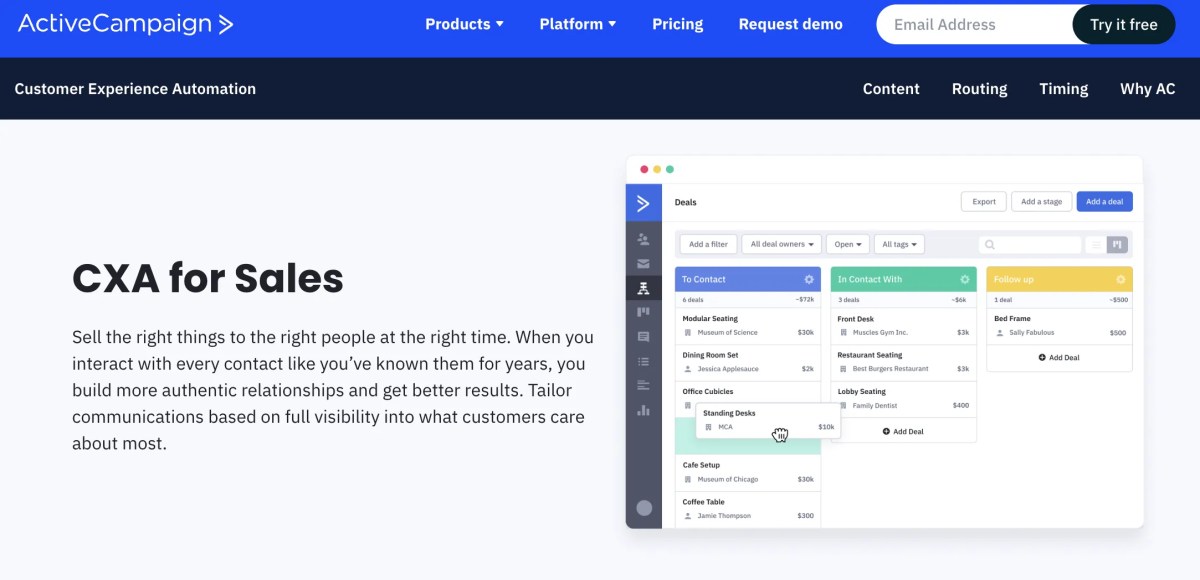
- Visualize sales pipelines with drag-and-drop interfaces.
- Prioritize high-value leads using lead scoring features.
- Forecast revenue with built-in analytics tools.
Tools like Zoho CRM offer AI-powered assistants that suggest the best times to contact leads, increasing the likelihood of conversion.
Key Features to Look for in CRM Software for Small Business
Not all CRM platforms are created equal. For small businesses, the ideal CRM should be affordable, easy to use, and scalable. Here are the essential features you should prioritize when evaluating CRM software for small business.
Contact and Lead Management
The foundation of any CRM is its ability to organize and manage contacts. A good system allows you to store detailed profiles for each customer or prospect, including contact information, communication history, and notes from past interactions.
- Import contacts from email, spreadsheets, or social media.
- Tag and segment leads based on behavior or demographics.
- Duplicate detection prevents data clutter.
For example, HubSpot CRM offers a free version with robust contact management, making it a top choice for startups and solopreneurs.
Sales Pipeline and Deal Tracking
Visualizing your sales process is crucial for identifying bottlenecks and forecasting revenue. CRM software for small business should provide customizable sales pipelines that reflect your unique sales cycle.
- Create stages like ‘Lead Qualified’, ‘Demo Scheduled’, and ‘Closed Won’.
- Drag-and-drop deals between stages for real-time updates.
- Set reminders for follow-ups to avoid losing prospects.
Platforms like Insightly and Freshsales offer intuitive pipeline views that help small teams stay on track without needing a dedicated sales manager.
Automation and Workflow Tools
Time is your most valuable asset. Automation features in CRM software for small business can handle routine tasks, ensuring consistency and reducing human error.
- Automate email sequences for onboarding new customers.
- Trigger tasks when a lead reaches a certain stage.
- Sync calendars and schedule meetings directly from the CRM.
For instance, ActiveCampaign combines CRM with powerful marketing automation, allowing small businesses to nurture leads without hiring a full marketing team.
Top 7 CRM Software for Small Business in 2024
With dozens of options on the market, choosing the right CRM software for small business can be overwhelming. To simplify your decision, we’ve analyzed the top seven platforms based on pricing, usability, features, and customer support.
1. HubSpot CRM
HubSpot CRM is a favorite among small businesses for its user-friendly interface and powerful free tier. It’s ideal for companies just starting their CRM journey.
- Free forever plan includes contact management, email tracking, and deal pipelines.
- Seamless integration with Gmail and Outlook.
- Advanced features available in paid tiers (marketing, service, and sales hubs).
HubSpot’s ecosystem grows with your business, making it a scalable choice. Learn more at hubspot.com.
2. Zoho CRM
Zoho CRM offers exceptional value with a wide range of features tailored for small to mid-sized businesses. Its AI assistant, Zia, provides predictive insights and automates routine tasks.
- Customizable dashboards and reports.
- Multi-channel communication (email, phone, social, chat).
- Strong integration with other Zoho apps like Books and Campaigns.
Zoho CRM starts at $14/user/month and is highly rated for affordability and functionality. Visit zoho.com/crm for a free trial.
3. Salesforce Essentials
Salesforce, the industry giant, offers a simplified version called Salesforce Essentials designed specifically for small businesses with up to 10 users.
- Mobile-friendly interface with offline access.
- Pre-built templates for common industries.
- Robust reporting and analytics.
While more expensive than others (starting at $25/user/month), it provides enterprise-grade reliability. Explore it at salesforce.com.
4. Freshsales (by Freshworks)
Freshsales stands out with its AI-powered lead scoring and built-in phone system. It’s perfect for sales-driven small businesses.
- Visual deal pipeline with timeline view.
- Engage leads via email, phone, or chat from one platform.
- Real-time notifications for lead activity.
Pricing starts at $15/user/month, and it includes a free tier with basic features. Check it out at freshworks.com.
5. Insightly
Insightly is ideal for small businesses that need project management alongside CRM capabilities. It bridges the gap between sales and operations.
- Project and task management integrated with CRM.
- Customer relationship linking (track relationships between contacts).
- Workflow automation with conditional logic.
Starting at $29/user/month, it’s pricier but offers deep functionality. Learn more at insightly.com.
6. Pipedrive
Pipedrive is built for sales-focused teams. Its drag-and-drop interface makes it easy to visualize and manage deals.
- Sales pipeline is the central focus.
- Activity reminders and goal tracking.
- Strong API for custom integrations.
Plans start at $14.90/user/month, and it’s known for its simplicity and effectiveness. Visit pipedrive.com for a demo.
7. Agile CRM
Agile CRM combines sales, marketing, and service tools in one affordable package. It’s a great all-in-one solution for growing small businesses.
- Free plan available with up to 10 users.
- Marketing automation, web tracking, and helpdesk features.
- Mobile app with full functionality.
Paid plans start at $9.99/user/month, making it one of the most budget-friendly options. Explore it at agilecrm.com.
How to Choose the Right CRM Software for Small Business
Selecting the right CRM software for small business isn’t just about features—it’s about fit. The best CRM aligns with your business goals, team size, and budget. Here’s a step-by-step guide to help you make the right choice.
Assess Your Business Needs
Start by identifying your pain points. Are you losing leads? Struggling with follow-ups? Need better reporting? List your top three challenges and use them as criteria for evaluation.
- Do you need marketing automation?
- Is mobile access essential?
- Do you require integration with accounting software?
For example, a consulting firm might prioritize calendar syncing and client notes, while an e-commerce store may need email marketing and customer segmentation.
Consider Scalability and Integration
Your CRM should grow with your business. Choose a platform that supports additional users, modules, and third-party integrations.
- Check compatibility with tools like QuickBooks, Mailchimp, or Slack.
- Ensure API access for future customization.
- Look for cloud-based solutions for remote access.
HubSpot and Zoho offer extensive app marketplaces, allowing seamless integration with hundreds of tools.
Evaluate User Experience and Training
No matter how powerful a CRM is, it’s useless if your team won’t use it. Prioritize platforms with intuitive interfaces and strong onboarding support.
- Look for free trials or demos.
- Check for video tutorials and knowledge bases.
- Assess customer support options (chat, email, phone).
According to a Nucleus Research study, companies with high user adoption see 3x higher ROI from their CRM investments.
Common Mistakes to Avoid When Implementing CRM Software for Small Business
Even the best CRM software for small business can fail if implemented poorly. Avoid these common pitfalls to ensure a smooth transition and maximum ROI.
Poor Data Migration and Cleanup
Migrating messy or outdated data into a new CRM can create more problems than it solves. Before importing, clean your data by removing duplicates, correcting errors, and standardizing formats.
- Export existing contacts from spreadsheets or email.
- Use deduplication tools during import.
- Establish data entry rules for consistency.
Many CRM platforms offer data migration services or partner with third-party tools like DemandTools to streamline the process.
Lack of Team Training and Buy-In
If your team doesn’t understand or trust the CRM, they won’t use it. Involve key stakeholders early and provide hands-on training.
- Run workshops to demonstrate benefits.
- Appoint a CRM champion within the team.
- Start with core features and expand gradually.
“Technology is only as good as the people using it.”
Over-Customization and Complexity
While customization is powerful, overdoing it can lead to confusion and maintenance headaches. Stick to essential custom fields and workflows that directly support your sales process.
- Avoid creating too many custom modules.
- Use default templates before building from scratch.
- Review and simplify workflows quarterly.
Remember: simplicity drives adoption.
The Future of CRM Software for Small Business
CRM technology is evolving rapidly, and small businesses now have access to tools once reserved for large enterprises. Understanding upcoming trends can help you future-proof your investment.
AI and Predictive Analytics
Artificial Intelligence is no longer science fiction. Modern CRM software for small business uses AI to predict customer behavior, recommend next steps, and automate responses.
- AI-powered chatbots handle initial customer inquiries.
- Predictive lead scoring identifies high-conversion prospects.
- Natural language processing summarizes email threads.
For example, Salesforce Einstein and Zia by Zoho are already delivering these capabilities at affordable prices.
Mobile-First and Remote Accessibility
With the rise of remote work, mobile CRM access is essential. The best platforms offer full-featured apps for iOS and Android, allowing teams to update records, log calls, and manage deals on the go.
- Offline mode for areas with poor connectivity.
- Push notifications for urgent tasks.
- Mobile scanning of business cards into contact records.
Platforms like HubSpot and Pipedrive excel in mobile usability.
Integration with E-Commerce and Social Media
Today’s customers interact across multiple channels. Future CRM systems will seamlessly integrate with e-commerce platforms (like Shopify) and social media (like Facebook and LinkedIn) to provide a 360-degree view of the customer.
- Track customer purchases directly in the CRM.
- Monitor social media mentions and respond in real time.
- Sync customer service tickets from social channels.
Tools like Agile CRM and Zoho CRM already offer these integrations, giving small businesses a competitive edge.
Real-World Success Stories: CRM Software for Small Business in Action
Theoretical benefits are great, but real-world results speak louder. Here are three small businesses that transformed their operations using CRM software for small business.
Local Marketing Agency Boosts Client Retention by 40%
A boutique digital marketing agency in Austin struggled with managing client communications across email, Slack, and phone. After implementing HubSpot CRM, they centralized all interactions, automated monthly reporting, and set up follow-up sequences.
- Client retention increased by 40% in six months.
- Sales cycle shortened by 25%.
- Team collaboration improved with shared notes and tasks.
“HubSpot gave us the structure we needed without slowing us down,” said the agency’s founder.
E-Commerce Store Scales Revenue with Zoho CRM
An online fashion retailer with 5 employees used spreadsheets to track orders and customer inquiries. After switching to Zoho CRM, they integrated it with their Shopify store, automated abandoned cart emails, and segmented customers by purchase history.
- Repeat customer rate increased by 35%.
- Customer service response time dropped from 12 hours to under 2.
- Monthly revenue grew by 50% within a year.
The owner credited Zoho’s automation and analytics for the turnaround.
Consulting Firm Closes 30% More Deals with Pipedrive
A financial consulting firm with 8 advisors used a basic contact manager. They adopted Pipedrive to visualize their sales pipeline, set activity goals, and track follow-ups. The visual pipeline helped identify stalled deals and re-engage prospects.
- Deal closure rate improved by 30%.
- Weekly sales meetings became data-driven.
- Advisors spent 20% less time on admin tasks.
“Pipedrive made our sales process transparent and actionable,” shared the managing partner.
What is CRM software for small business?
CRM software for small business is a digital tool that helps small companies manage customer interactions, track sales leads, automate marketing, and improve customer service. It centralizes customer data to enhance relationships and drive growth.
Is CRM software worth it for small businesses?
Yes. CRM software for small business increases efficiency, improves customer retention, and boosts sales. Even free or low-cost CRMs offer significant ROI by reducing manual work and providing actionable insights.
What is the best free CRM for small business?
HubSpot CRM is widely regarded as the best free CRM for small business. It offers contact management, email tracking, deal pipelines, and integrations—all at no cost for basic use.
How much does CRM software for small business cost?
Prices range from free (HubSpot, Agile CRM) to $50/user/month for advanced platforms. Most small businesses spend between $10–$30/user/month depending on features needed.
Can I use CRM software on my phone?
Yes. Most modern CRM software for small business offers mobile apps for iOS and Android, allowing users to access contacts, update deals, and communicate with customers on the go.
Choosing the right CRM software for small business is one of the most impactful decisions you can make. From boosting sales and retention to streamlining operations, the right platform acts as a force multiplier for your team. Whether you opt for HubSpot’s free tier, Zoho’s affordability, or Pipedrive’s sales focus, the key is to start, adopt, and iterate. The future of small business success is not just about working harder—it’s about working smarter with the right tools.
Recommended for you 👇
Further Reading:
